




Makeup Refill Packaging: Refillable & Eco-Friendly Formats
Your powder compact is half-full, the mirror still works, and the plastic shell is perfectly fine — yet the entire unit is headed for a landfill because the pan inside isn't replaceable. That single design flaw is exactly what makeup refill packaging fixes. Instead of discarding the case, the customer pops in a fresh pan of pressed powder, blush, or eyeshadow and keeps the durable shell for years.
If you're a makeup brand owner, a DTC founder, or a procurement lead evaluating refill systems, you've probably felt the squeeze from three directions at once: tightening packaging regulations, rising customer demand for sustainable options, and the simple waste of shipping a heavy case every time someone needs more product. Refillable makeup packaging answers all three — and it doesn't require you to compromise on shelf presence or product protection.
This guide walks through how makeup refill systems actually work in production, which materials hold up, what a refill program looks like for a real brand, and how to choose a manufacturing partner who can deliver compliant components at a workable MOQ. If you're building out a refillable line under our broader [cosmetic packaging]program, this is your practical starting point — and our [refillable skincare packaging]guide covers serums and creams when your line expands beyond color.
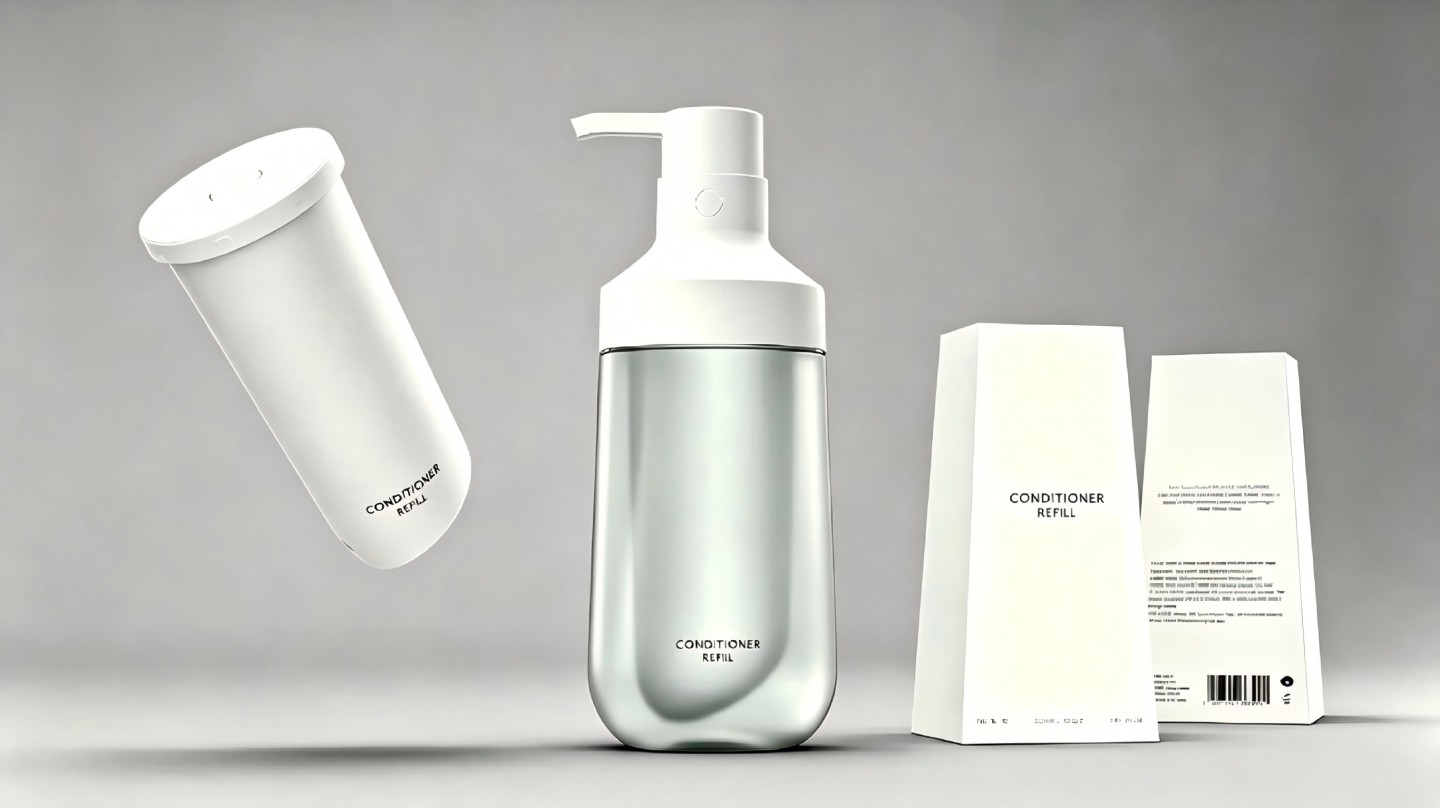
- Makeup refill packaging separates the durable shell (compact, clamshell, or case) from the consumable pan, cutting per-use packaging waste by up to 70% versus single-use units.
- The three core components are the refillable shell, the product pan, and the protective tray or insert — each can be built from paper, molded pulp, or mono-material plastic.
- Refill systems are increasingly driven by regulation: the EU Packaging and Packaging Waste Regulation (PPWR) sets reuse targets that push brands toward refillable formats.
- Eseneco manufactures refill components that are PFAS-free by design — no intentionally added PFAS, verified by batch testing — using FSC-certified fiber and compostable molded pulp.
- A typical custom program runs from first sample to production in 6–10 weeks with low- to mid-volume MOQs suited to indie and DTC brands.
What Is Makeup Refill Packaging?
Makeup refill packaging is a two-part system. The first part is a durable, reusable outer shell — usually a compact, clamshell, or magnetic case. The second part is a consumable refill: a pan of pressed powder, a cake of blush, or a well of eyeshadow that drops into the shell and is swapped out when empty.
The shell is designed to last. The refill is designed to be cheap, light, and low-impact. Done well, a customer buys the shell once and reorders only the pan for the life of the product.
The Anatomy of a Refill System
A complete system has three jobs to do, and each maps to a different component:
- The shell holds the mirror, hinge, and closure. It carries your brand on the shelf and in the customer's bag.
- The pan carries the actual product. It must seat precisely, resist shifting, and protect the cosmetic during shipping.
- The tray or insert cushions the pan, separates shades, and presents the product cleanly when the customer opens the box.
When these three pieces are engineered together, refills feel premium rather than flimsy. A loose pan in a cheap shell destroys trust fast — which is why the insert matters as much as the case.
Powder, Blush, and Eyeshadow Refills
Most refill programs start with pressed formats because they're the easiest to standardize. A 26mm or 37mm pan of pressed powder drops into nearly any compatible compact. Blush and eyeshadow follow the same logic, with eyeshadow often using deeper, smaller-diameter wells to control application.
Loose formats — like loose powder or granules — need a different refill architecture, usually a snap-fit jar with a sifter. The principle is identical: keep the shell, replace the consumable.
If you're scoping a first project, start your makeup refill project and we'll help you pick the right shell, pan, and tray combination for your hero product.
Why Brands Are Moving to Refillable Makeup Packaging
Regulation Is Closing the Loop
The European Union's Packaging and Packaging Waste Regulation (PPWR), accessible through EUR-Lex, sets mandatory reuse and refill targets for many consumer goods. Brands selling into the EU can no longer treat refill as a nice-to-have; for some categories it becomes a compliance requirement. US brands feel the ripple effect through retailer scorecards and state-level EPR (Extended Producer Responsibility) laws.
Even if you only sell domestically today, designing refillable now protects you from a costly redesign later. The brands that treat refill as a structural decision — not a marketing campaign — are the ones who won't scramble when rules land.
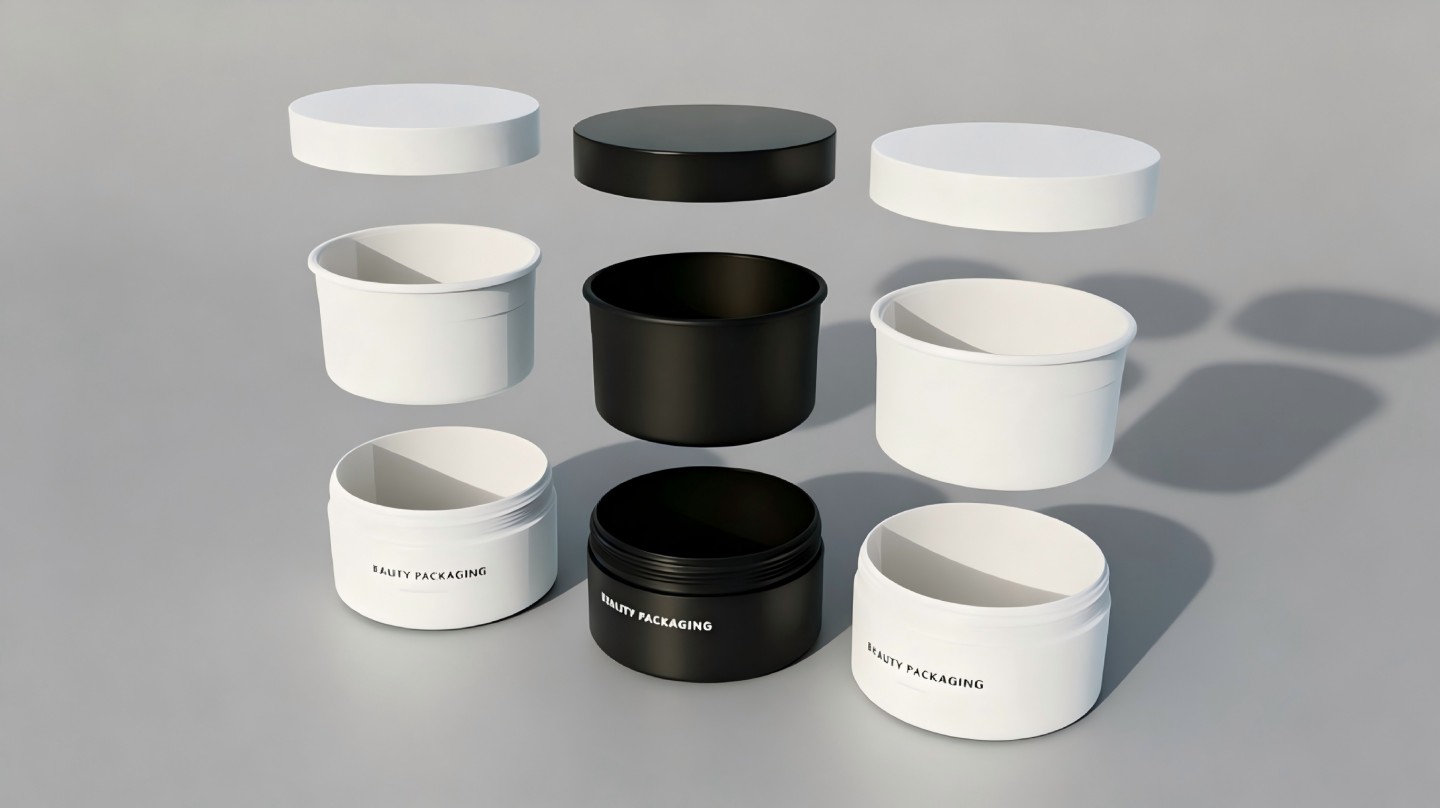
Consumers Pay More for Refillable
Refill isn't just a compliance play; it's a willingness-to-pay signal. In category after category, buyers tell researchers they'll spend more for a system they can keep. For a makeup brand, that translates into higher lifetime value: the first compact is a customer acquisition cost, but every refill after is margin.
Here's a concrete example. Mara founded a DTC eyeshadow brand in Austin and launched with a magnetic refillable compact in early 2025. Her team modeled the unit economics against a standard single-use palette. Because the refill pan used a thin molded pulp insert instead of a second full case, her per-shipment packaging cost dropped 31%. More importantly, 44% of first-time buyers reordered at least one refill within 90 days, and those customers averaged 2.3 pans per reorder. The shell she shipped once kept earning refills for months.
That story is why refillable makeup packaging has moved from boutique tactic to mainstream strategy — and why eco friendly makeup packaging is now a procurement priority rather than a footnote. For the broader sustainability case, our [sustainable cosmetic packaging]page lays out the materials and certifications buyers weigh.
Core Components: Compacts, Pans & Trays
The Refillable Shell
Your shell is the only piece the customer keeps, so it earns the most design attention. Our [refillable makeup compact] page covers the clamshell and compact insert options in depth — from lipstick clamshells to magnetic eyeshadow cases. For makeup refill packaging broadly, the shell — the durable retained keeper — is usually paper-based or a paper-plastic hybrid with a metal hinge. (The pulp pan or carrier is the consumable refill.)
A good shell feels substantial, closes with a confident click, and survives being dropped in a purse. It also needs to accept refills without forcing the customer to fight it.
The Pan and the Tray
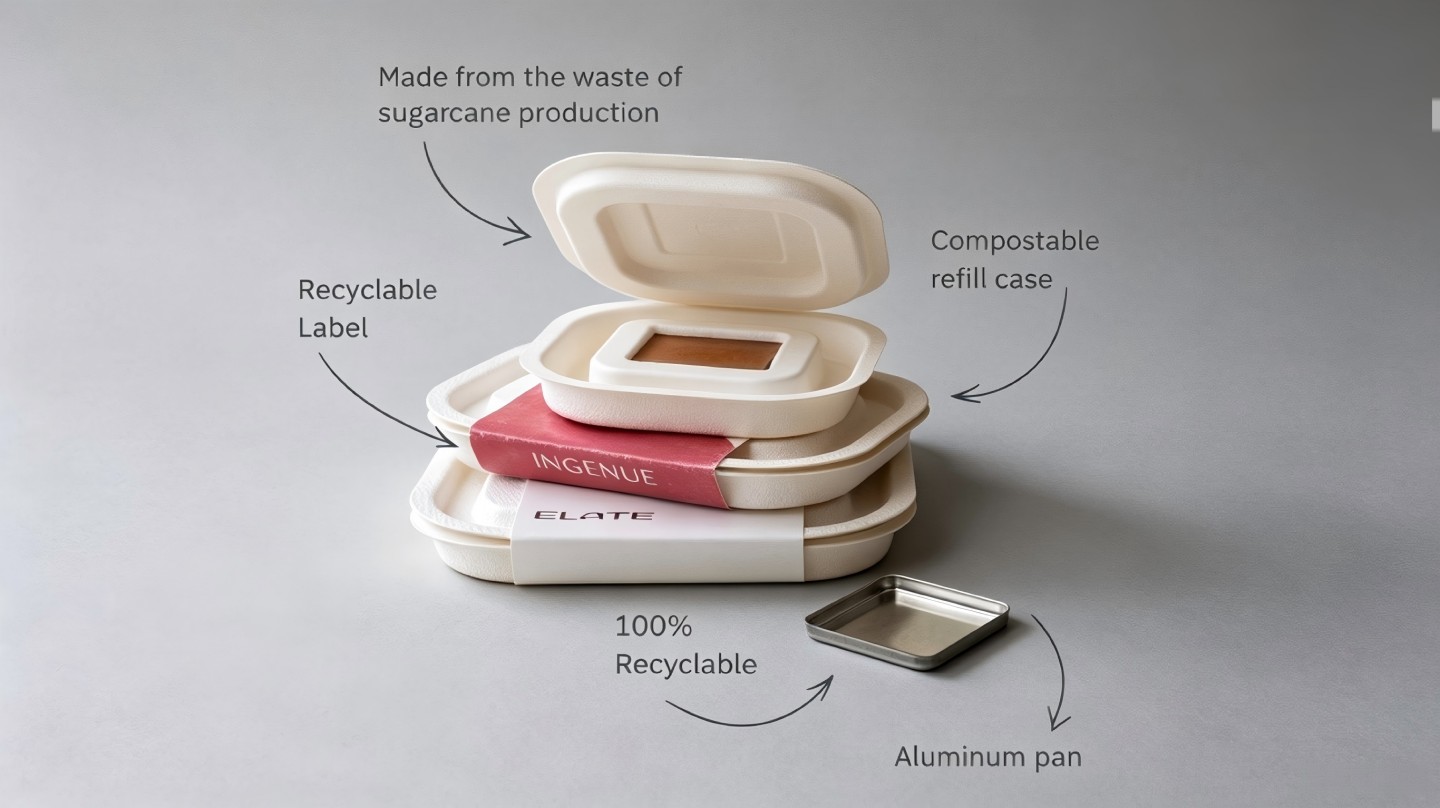
The pan is where product lives; the tray is what protects it in transit and on display. This is where [molded pulp cosmetic trays] earn their place. Wet-pressed molded pulp forms precise wells for pans and compacts, cushions them during shipping, and composts at end of life instead of landing in a landfill. When the same fiber part must also serve as the durable keeper, our [molded pulp refillable container]bridges the makeup and deodorant refill worlds.
Daniel, a procurement manager for a Midwest indie brand, ran a refill-station pilot with three boutique retailers in Q1 2025. His team needed trays that would hold six eyeshadow pans steady on a display shelf and survive customer handling. They switched from vacuum-formed PET trays to custom molded pulp. The result: 4,200 in-store refills processed in the quarter with zero crush damage reported, and the brand removed roughly 180 pounds of rigid plastic from its quarterly packaging stream.
The tray is the quiet workhorse of any refill system. Get it right and everything else looks better.
Materials That Make Refill Work
Paper and Molded Pulp
Paper and molded pulp are the backbone of most sustainable refill programs. Both are renewable, recyclable in many curbside streams, and compostable where infrastructure exists. The Forest Stewardship Council certifies fiber sourced from responsibly managed forests, which matters to brands making public sustainability claims.
Molded pulp, specifically, lets us shape precise, protective geometry without thick walls. A wet-pressed tray can hold a 37mm pan to a tolerance of a fraction of a millimeter — tight enough that the pan doesn't rattle, light enough that you're not shipping dead weight.
Mono-Material Plastic Done Right
Not every component should be paper. A mirror, a hinge, and a closure often need a durable polymer. The key is mono-material design: use one recyclable plastic type so the shell can actually be recycled rather than rejected at sorting facilities. Mixed-material laminates are the enemy of circularity, because most municipal lines can't separate them and the whole unit lands in residue.
PFAS-Free by Design
Some suppliers coat paper with fluorinated chemicals to improve water or grease resistance. Eseneco does not. Our refill components are PFAS-free by design — no intentionally added PFAS, verified by batch testing. We achieve barrier performance through fiber selection and mechanical treatment, not through forever chemicals. For a brand making clean-beauty claims, that distinction is the difference between a defensible label and a lawsuit.
The Biodegradable Products Institute provides compostability certification that pairs naturally with molded pulp trays, giving your refill program third-party proof rather than self-declared claims. When a retailer asks for evidence, a BPI mark answers faster than a paragraph of marketing copy.
Design Details That Make Refills Feel Premium
Magnet Strength and Seating
Magnetic closures are the standard for compacts because they let the pan click into place and stay put. Too weak and the pan drifts; too strong and the customer fights it. We tune magnet grade and placement to the pan weight so the refill seats with a satisfying, deliberate snap.
Decoration and Color Matching
The shell is your brand in the customer's hand. Foil stamping, embossing, and matched color stock all signal quality. Because the shell is kept for years, its finish has to survive daily handling — we spec coatings that resist the oils and abrasion a makeup bag delivers.
The Unboxing of the Refill Itself
Don't neglect the refill's own packaging. A pan arriving in a scuffed, oversized mailer undercuts the premium shell. A slim molded pulp tray with a clean top sheet tells the customer the system is considered end to end. That consistency is what turns a one-time buyer into a refill subscriber.
Building a Refill Program for Your Brand
Start With One Hero Format
Don't try to refill your entire catalog on day one. Pick one hero product — pressed powder is the easiest — and build the shell, pan, and tray for it. Prove the mechanics, train your fulfillment team, and learn your refill repurchase rate before expanding.
Decide Your Refill Channel
You have two main options. A ship-from-warehouse model sends loose pans in minimal packaging; it's simple and works for DTC. A retail refill station lets customers bring their shell back to a store; it's higher-touch but builds community and cuts shipping entirely.
Teach the Customer
Refill only works if the customer knows what to do. A printed insert, a QR code to a 20-second video, or a line on the product page ("keep the case, swap the pan") closes the loop. Brands that skip this step see refills returned unopened; brands that teach it see refill rates climb.
When you're ready to spec your components, request a quote for makeup refill packaging and we'll map the shell, pan, and tray to your hero format and channel.
Compliance, Certifications & Safety
Material Safety
Components that contact product should meet relevant cosmetic-contact safety expectations. In the US, the FDA oversees cosmetic safety, and while packaging isn't regulated as strictly as ingredients, brand owners are still responsible for the safety of the whole product experience. In the EU, ECHA's REACH regulation restricts hazardous substances in articles, including packaging.
This is where batch testing earns its keep. A PFAS-free by design claim is only as good as the verification behind it. We test incoming batches so your documentation holds up if a retailer or regulator asks.
Documentation for Retailers
Large retailers and marketplaces increasingly require proof: fiber certification, compostability certification, and substance-restriction compliance. Build the paper trail early. A California clean-beauty brand we supported lost a major shelf placement in 2024 because its previous supplier couldn't produce REACH documentation on short notice. The slot went to a competitor who had it ready. Compliance isn't paperwork — it's a revenue gate, and the brands that treat it as such protect their distribution.
Choosing a Makeup Refill Packaging Supplier
Tooling and Customization
Your shell is your brand. Look for a partner who can tool a custom compact shape, not just resell a stock mold. Eseneco runs OEM and private-label programs with in-house tooling, so your compact doesn't look like everyone else's.
MOQ and Lead Time
Refill programs often start small. A supplier demanding a 50,000-unit MOQ kills the pilot. We structure low- to mid-volume MOQs so indie and DTC brands can validate a refill line before committing to scale. Typical custom programs move from first sample to production in 6–10 weeks.
Verification, Not Promises
Ask any supplier how they prove their claims. If the answer is a brochure, keep looking. You want batch testing, certifiable fiber, and a paper trail you can hand to a retailer. Sustainable makeup refill only stays sustainable if the proof travels with the product.
When you've nailed your format and channel, get a custom refill quote and we'll return a spec, a timeline, and a per-unit model built around your refill cadence.